← DESCRIBING CONNECTION

Oh NYC,

Where Art Thou?

From a native New Yorker

who still longs for the old you

Personal Essay | ~6 min read

If you’re a native New Yorker, this might hit too close to home.

​

If you’ve ever visited NYC and didn’t instantly fall in love with it, I’m not sorry to say, it’s definitely YOU. 

​

All you have to do is look at our neighbors across the Hudson River, the native New Jerseyans who either can’t get enough or are too consumed in their bubble to survive a day in the city. I say this as someone who has lived in Jersey, on and off, for the past 15 years. 

​

This summer, I think I became a beach girl by association. I’m still recovering from the anxiety of being surrounded by people who aren’t aware of what’s going on around them. 

​

But let’s get back to my beloved city.

​

I need it purged. 

​

Not completely, but significantly. 

Purging the City

For a city whose unofficial cultural mascot is the pigeon, everyone from everywhere has flocked here. But for the past few years, it feels like the subway rat has taken over, and all those who have scurried in have come to stay and cause an infestation.

​

Now, I’m no fortune teller. I could never tell you the city would never have changed, but one things for sure: COVID, I will never forgive you.

​

Not only for the people you took from us, but for everything that disappeared with them. 

​

Dr. Butler had been a family friend of my parents long before I was born, and she was also our veterinarian. We’d had many dogs over the years, and she was the only vet my parents trusted with any of their dogs. When we lost her, we lost more than a doctor. 

​

She left behind two intelligent and amazing children who were in university and a devoted husband who was her partner at their animal clinic. The community of people who were affected by her passing was immense. As we searched for a new vet, the search took a toll on our dogs, who were getting older. She was the only vet who grew with our family and knew a great deal about French Mastiffs at the time (back in the late 80’s) and to find a vet that knew enough about this breed took us years and even our new vet only knew but so much.

​

I know every major city changed during and after the pandemic, and I know nostalgia has a funny way of making the past look better than it was. But I can only speak on my city, the place that raised me. This was the place I could leave for years and still recognize the moment I returned. 

​

In the blink of an eye, it became a ghost town. It’s 2026 and it still feels hollow and borderline depressing - even in Summer. The tourists come in and even they seem, well, bored and unimpressed. 

​

Back in 2024, people were calling NYC “not a real place” and I was losing my mind. I was annoyed because I knew what they meant. It was like NYC went through the void and came back as an uncanny version of itself. 

​

Outsiders think NYC is crazy and will try to mimic that with no finesse. But there’s no need to bring NYC into it because you think it would be better received here. It won’t. 

​

Some people arrive here with a whole new personality, convinced that being inconsiderate is the same thing as having New York attitude. It isn’t. In simple terms, you cannot mimic New York style or its state of mind.

​

Some of you might be thinking, ‘NYC has always had crazy people—crazy fashion, crazy ideas, crazy vibes’. But based on who you ask, crazy would be replaced with dope and innovative. This is the place where people would copy, try to sell it back to us and call it a trend. 

​

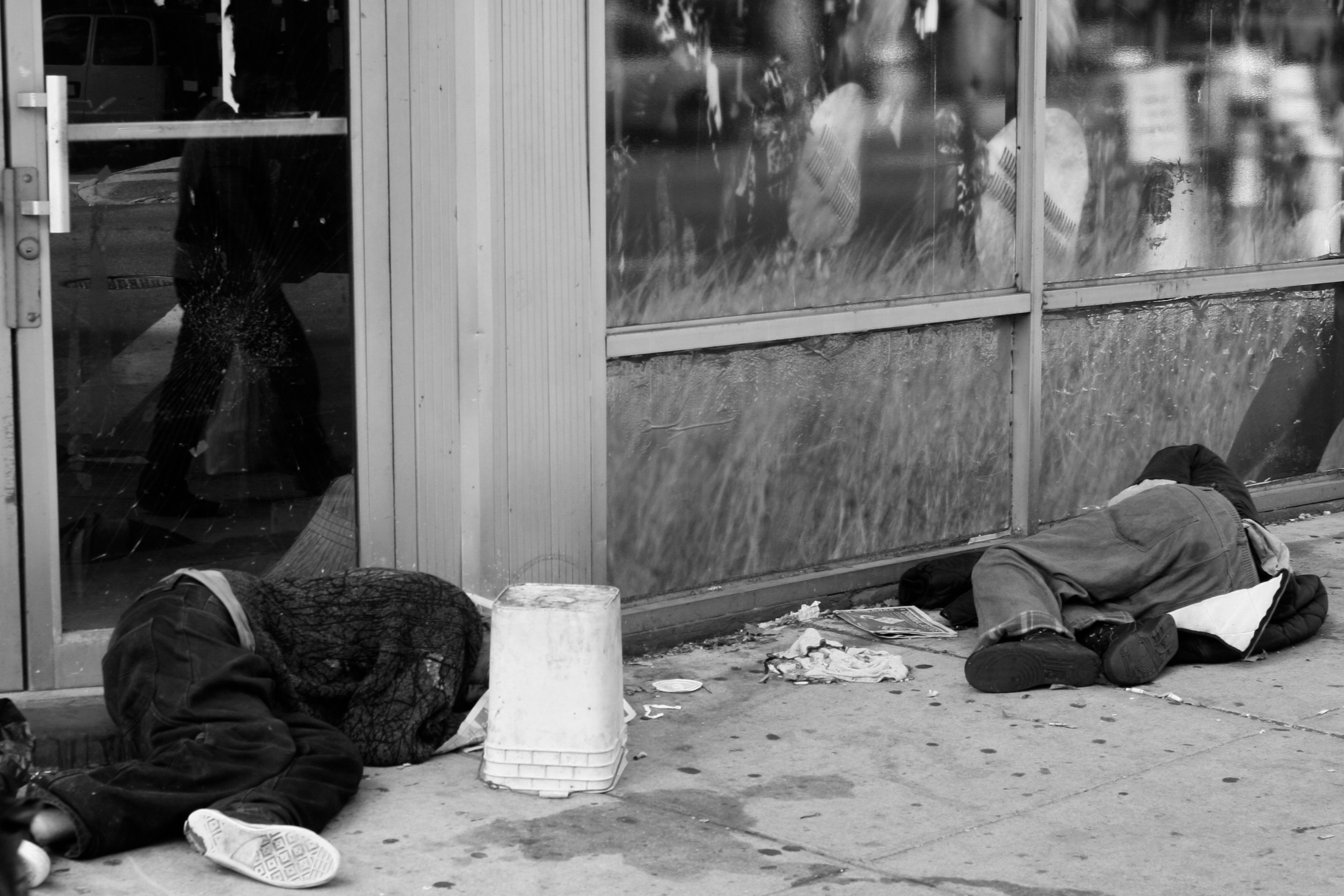
Not even our bums were crazy. Well, if they were, at least functionally crazy. 

​

Our bums were fly. 

​

Do you know how hard it is to have style without trying? 

​

I mean Kanye created a whole fashion line around bumwear. I’m not saying NYC did it first - but I could say we’ve done it best. And before more people join in on the hate train this essay will cause, Chicago and L.A. relax, you’re up there too.

​

Our bums were people who, daily, were pushing through mental illness, addiction, poverty or the aftermath of things we would never experience. So by no means am I about to romanticize their life. 

​

But they were innovative. They connected. 

​

Shit, most times, they just wanted to be left alone if they weren’t trying to hustle you to get a fix or a bacon egg and cheese. They knew every street corner and shortcut, every unwritten rule and how to get $1 out of a New Yorker and tourist. That’s no easy thing, yet it was the pandemic that took them from us. 

​

And it wasn’t just our bums—lifelines and generations of culture were gone. Our abuelos and abuelas, our friends, our mentors, the corner deli owners and even pets were taken from us. 

Families were separated. Friendships ended. Businesses closed. People lost their jobs. People left.

​

According to NYC planning officials, the city’s population fell by an estimated 287,000 between mid - 2020 to mid - 2021. Source

​

And yes, movement in the city started getting back to normal but that didn’t mean the return of the natives that left. Some people made lives elsewhere. Some couldn’t afford to come back and others didn’t have anyone to come back to.

Selling A Dream

Then came gentrification—and no, I’m not talking about our fellow white New Yorkers who grew up here. I’m talking about the posers… and more chain stores. These are the people who treat the neighborhood like a mood board. The ones who don’t see the beauty and importance of the local businesses and decide to replace them with minimalist coffee shops, raise the rent then act like they invented the neighborhood. 

​

Congratulations. You found a place people already lived. 

​

New York is a chameleon within itself. It’s always changing because it’s part of its identity. People have arrived from all over the world, built communities, opened businesses and added something to the city that wasn’t there before. That isn’t the problem though. It’s how expensive it has become. The people who made it what it is can no longer afford to remain.

​

In 2024, the NYC Comptroller’s Office reported that the median asking rent for publicly listed apartments had reached about $3,500 a month in 2023. More than half the city’s renters were rent-burdened, spending at least 30 percent of their income on rent. Source

Just let that sink in. 

​

The city can sell you a dream, but what happens when the dream comes with a monthly payment most people can’t manage?

​

What happens when the people who built a life here have to leave, and the people who replace them are paying for an experience rather than participating and building within their community?

​

And in case it’s coming across that I hate transplants, let me clarify. I’m not against people moving to New York because I have moved away and back a few times myself. I’m also not living in a rent-controlled penthouse in Manhattan. 

​

My issue is with the idea that New York is an aesthetic you can purchase when the city is more than its recognizable accessories.

​

New York is a way of moving through the world. It’s the awareness that someone is behind you when you step off the train. It’s knowing when to keep walking, when to mind your business, when to help somebody and when the person yelling at the pigeons is just having a Monday.

​

It’s the pace, the humor, the contradictions. The fact that you could be surrounded by hundreds of people in one corner and still feel completely alone, but somehow less alone than you would be anywhere else.

​

Now, I look around and see people walking to work like cast members from I, Robot. If you’ve been to NYC in the past 3 years, you’d think it wasn’t a real place - we’ve been invaded by disconnected transplants who act like the city is draining them instead of the other way around.

​

Maybe I’m just getting older.

​

Because native New Yorkers have a particular way of moving forward. We might be tired, irritated, broke, heartbroken, or even on the verge of telling somebody exactly where they can go - but we’re moving. There’s somewhere to be. Someone to see. Something happening around the corner. 

​

Even our neighbors from Jersey who commute know that the moment they hit the city, it’s time to straighten that posture and put a pep in their step.

​

And I know remote work has changed the rhythm of city life. Some people aren’t commuting five days a week anymore and I can’t pretend that if every New Yorker worked in an office, everything would magically be fine. Some of us are trying to balance work with the cost of simply existing.

​

But I miss the feeling that people wanted to be outside. No matter the weather—as long as we didn’t have to be at work, we’d be hanging out with friends at coffee shops or something. I miss a city where being alive felt like an activity in itself.

​

And maybe I’m not just mourning the people who died or left, the businesses that closed or the familiar streets that look different every time I visit. Maybe I’m mourning the version of myself who knew exactly where she belonged. 

“...where did we loose each other?”

What Love Is

The longer I think about it, the more I realize that home isn’t just a place you return to. It’s a relationship. And relationships can change even when neither party officially ends them.


NYC, where did we lose each other? 

​

More and more of the people who nurtured you are leaving. Rent is skyrocketing and a lot of our commercial buildings are still looking empty if not being consumed by these investment and AI firms. It seems like these hospitals keep taking up more space. 

​

The city keeps finding new ways to make money, but I wonder how much of its soul we’re willing to trade for it.

​

People who have lived in Manhattan their whole lives have been pushed to the other boroughs and now even those are becoming less affordable. We see it all inching and spreading out, just like COVID.

​

And the worst part is that New York has survived so much.

​

We pushed through the crack epidemic, the AIDS epidemic. We made it through the homicidal ‘90s, the stop-and-frisk era, 9/11 and Hurricane Sandy. None of that means the city was ever easy to live in. It wasn’t. We had our problems long before COVID came along. But we found ways to keep going - as a community, whether we liked each other or not. We learned how to keep moving through it all.

​

Then COVID came and the city changed in ways I still don’t know how to explain. 

​

I’m sure it changed all of us. 

​

Maybe some of what I miss never belonged to NYC alone, but to a time in my life when I hadn’t yet learned how quickly people, places and entire versions of ourselves can disappear. 

​

I can’t even believe I said that out loud. 

​

Because it’s easier to blame the transplants. The developers. The corporations. The politicians. The people who walk too slowly on the sidewalk. And trust me, the criticism is fair.

​

But the truth is, I spend my days wondering if I’ll ever be able to go back and settle into you again. Will you ever meet me with open arms like you once did? 

​

But deep down, I know. 

​

When I visit, I no longer feel like part of the majority. Instead, I feel like a guest who has overstayed her welcome.

​

And maybe that’s what growing up is: realizing that loving something doesn’t mean it will always have a place for you.

​

Maybe a place can remain yours in memory long after it stops feeling like home. 

And as the city moves on, maybe it’s time for a new chapter somewhere else. Somewhere that makes me feel the way you did. 

​

Or maybe I’ll spend the rest of my life comparing everywhere else to the memories I have of the old you.

Chantàl Baez

← DESCRIBING CONNECTION

Oh NYC,

Where Art Thou?

From a native New Yorker who still longs

for the old you.

Personal Essay | ~ 6 min read

If you’re a native New Yorker, this might hit too close to home.

​

If you’ve ever visited NYC and didn’t instantly fall in love with it, I’m not sorry to say, it’s definitely YOU. 

​

All you have to do is look at our neighbors across the Hudson River, the native New Jerseyans who either can’t get enough or are too consumed in their bubble to survive a day in the city. I say this as someone who has lived in Jersey, on and off, for the past 15 years. 

​

This summer, I think I became a beach girl by association. I’m still recovering from the anxiety of being surrounded by people who aren’t aware of what’s going on around them. 

​

But let’s get back to my beloved city.

​

I need it purged. 

​

Not completely, but significantly. 

Purging the City

For a city whose unofficial cultural mascot is the pigeon, everyone from everywhere has flocked here. But for the past few years, it feels like the subway rat has taken over, and all those who have scurried in have come to stay and cause an infestation.

​

Now, I’m no fortune teller. I could never tell you the city would never have changed, but one things for sure: COVID, I will never forgive you.

​

Not only for the people you took from us, but for everything that disappeared with them. 

​

Dr. Butler had been a family friend of my parents long before I was born, and she was also our veterinarian. We’d had many dogs over the years, and she was the only vet my parents trusted with any of their dogs. When we lost her, we lost more than a doctor. 

​

She left behind two intelligent and amazing children who were in university and a devoted husband who was her partner at their animal clinic. The community of people who were affected by her passing was immense. As we searched for a new vet, the search took a toll on our dogs, who were getting older. She was the only vet who grew with our family and knew a great deal about French Mastiffs at the time (back in the late 80’s) and to find a vet that knew enough about this breed took us years and even our new vet only knew but so much.

​

I know every major city changed during and after the pandemic, and I know nostalgia has a funny way of making the past look better than it was. But I can only speak on my city, the place that raised me. This was the place I could leave for years and still recognize the moment I returned. 

​

In the blink of an eye, it became a ghost town. It’s 2026 and it still feels hollow and borderline depressing - even in Summer. The tourists come in and even they seem, well, bored and unimpressed. 

​

Back in 2024, people were calling NYC “not a real place” and I was losing my mind. I was annoyed because I knew what they meant. It was like NYC went through the void and came back as an uncanny version of itself. 

​

Outsiders think NYC is crazy and will try to mimic that with no finesse. But there’s no need to bring NYC into it because you think it would be better received here. It won’t. 

​

Some people arrive here with a whole new personality, convinced that being inconsiderate is the same thing as having New York attitude. It isn’t. In simple terms, you cannot mimic New York style or its state of mind.

​

Some of you might be thinking, ‘NYC has always had crazy people—crazy fashion, crazy ideas, crazy vibes’. But based on who you ask, crazy would be replaced with dope and innovative. This is the place where people would copy, try to sell it back to us and call it a trend. 

​

Not even our bums were crazy. Well, if they were, at least functionally crazy. 

​

Our bums were fly. 

​

Do you know how hard it is to have style without trying? 

​

I mean Kanye created a whole fashion line around bumwear. I’m not saying NYC did it first - but I could say we’ve done it best. And before more people join in on the hate train this essay will cause, Chicago and L.A. relax, you’re up there too.

​

Our bums were people who, daily, were pushing through mental illness, addiction, poverty or the aftermath of things we would never experience. So by no means am I about to romanticize their life. 

​

But they were innovative. They connected. 

​

Shit, most times, they just wanted to be left alone if they weren’t trying to hustle you to get a fix or a bacon egg and cheese. They knew every street corner and shortcut, every unwritten rule and how to get $1 out of a New Yorker and tourist. That’s no easy thing, yet it was the pandemic that took them from us. 

​

And it wasn’t just our bums—lifelines and generations of culture were gone. Our abuelos and abuelas, our friends, our mentors, the corner deli owners and even pets were taken from us. 

Families were separated. Friendships ended. Businesses closed. People lost their jobs. People left.

​

According to NYC planning officials, the city’s population fell by an estimated 287,000 between mid - 2020 to mid - 2021. Source

​

And yes, movement in the city started getting back to normal but that didn’t mean the return of the natives that left. Some people made lives elsewhere. Some couldn’t afford to come back and others didn’t have anyone to come back to.

Selling A Dream

Then came gentrification—and no, I’m not talking about our fellow white New Yorkers who grew up here. I’m talking about the posers… and more chain stores. These are the people who treat the neighborhood like a mood board. The ones who don’t see the beauty and importance of the local businesses and decide to replace them with minimalist coffee shops, raise the rent then act like they invented the neighborhood. 

​

Congratulations. You found a place people already lived. 

​

New York is a chameleon within itself. It’s always changing because it’s part of its identity. People have arrived from all over the world, built communities, opened businesses and added something to the city that wasn’t there before. That isn’t the problem though. It’s how expensive it has become. The people who made it what it is can no longer afford to remain.

​

In 2024, the NYC Comptroller’s Office reported that the median asking rent for publicly listed apartments had reached about $3,500 a month in 2023. More than half the city’s renters were rent-burdened, spending at least 30 percent of their income on rent. Source

Just let that sink in. 

​

The city can sell you a dream, but what happens when the dream comes with a monthly payment most people can’t manage?

​

What happens when the people who built a life here have to leave, and the people who replace them are paying for an experience rather than participating and building within their community?

​

And in case it’s coming across that I hate transplants, let me clarify. I’m not against people moving to New York because I have moved away and back a few times myself. I’m also not living in a rent-controlled penthouse in Manhattan. 

​

My issue is with the idea that New York is an aesthetic you can purchase when the city is more than its recognizable accessories.

​

New York is a way of moving through the world. It’s the awareness that someone is behind you when you step off the train. It’s knowing when to keep walking, when to mind your business, when to help somebody and when the person yelling at the pigeons is just having a Monday.

​

It’s the pace, the humor, the contradictions. The fact that you could be surrounded by hundreds of people in one corner and still feel completely alone, but somehow less alone than you would be anywhere else.

​

Now, I look around and see people walking to work like cast members from I, Robot. If you’ve been to NYC in the past 3 years, you’d think it wasn’t a real place - we’ve been invaded by disconnected transplants who act like the city is draining them instead of the other way around.

​

Maybe I’m just getting older.

​

Because native New Yorkers have a particular way of moving forward. We might be tired, irritated, broke, heartbroken, or even on the verge of telling somebody exactly where they can go - but we’re moving. There’s somewhere to be. Someone to see. Something happening around the corner. 

​

Even our neighbors from Jersey who commute know that the moment they hit the city, it’s time to straighten that posture and put a pep in their step.

​

And I know remote work has changed the rhythm of city life. Some people aren’t commuting five days a week anymore and I can’t pretend that if every New Yorker worked in an office, everything would magically be fine. Some of us are trying to balance work with the cost of simply existing.

​

But I miss the feeling that people wanted to be outside. No matter the weather—as long as we didn’t have to be at work, we’d be hanging out with friends at coffee shops or something. I miss a city where being alive felt like an activity in itself.

​

And maybe I’m not just mourning the people who died or left, the businesses that closed or the familiar streets that look different every time I visit. Maybe I’m mourning the version of myself who knew exactly where she belonged. 

“...where did we loose each other?”

What Love Is

The longer I think about it, the more I realize that home isn’t just a place you return to. It’s a relationship. And relationships can change even when neither party officially ends them.


NYC, where did we lose each other? 

​

More and more of the people who nurtured you are leaving. Rent is skyrocketing and a lot of our commercial buildings are still looking empty if not being consumed by these investment and AI firms. It seems like these hospitals keep taking up more space. 

​

The city keeps finding new ways to make money, but I wonder how much of its soul we’re willing to trade for it.

​

People who have lived in Manhattan their whole lives have been pushed to the other boroughs and now even those are becoming less affordable. We see it all inching and spreading out, just like COVID.

​

And the worst part is that New York has survived so much.

​

We pushed through the crack epidemic, the AIDS epidemic. We made it through the homicidal ‘90s, the stop-and-frisk era, 9/11 and Hurricane Sandy. None of that means the city was ever easy to live in. It wasn’t. We had our problems long before COVID came along. But we found ways to keep going - as a community, whether we liked each other or not. We learned how to keep moving through it all.

​

Then COVID came and the city changed in ways I still don’t know how to explain. 

​

I’m sure it changed all of us. 

​

Maybe some of what I miss never belonged to NYC alone, but to a time in my life when I hadn’t yet learned how quickly people, places and entire versions of ourselves can disappear. 

​

I can’t even believe I said that out loud. 

​

Because it’s easier to blame the transplants. The developers. The corporations. The politicians. The people who walk too slowly on the sidewalk. And trust me, the criticism is fair.

​

But the truth is, I spend my days wondering if I’ll ever be able to go back and settle into you again. Will you ever meet me with open arms like you once did? 

​

But deep down, I know. 

​

When I visit, I no longer feel like part of the majority. Instead, I feel like a guest who has overstayed her welcome.

​

And maybe that’s what growing up is: realizing that loving something doesn’t mean it will always have a place for you.

​

Maybe a place can remain yours in memory long after it stops feeling like home. 

And as the city moves on, maybe it’s time for a new chapter somewhere else. Somewhere that makes me feel the way you did. 

​

Or maybe I’ll spend the rest of my life comparing everywhere else to the memories I have of the old you.